The Friendly Wild Ones – Why I Now Paint the Flowers of the Meadow
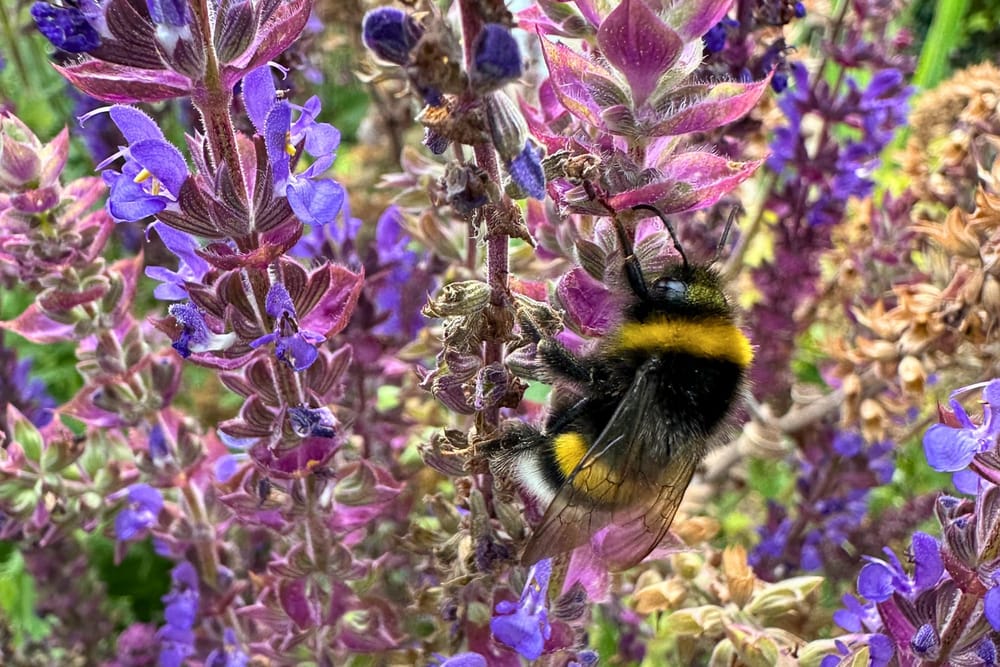
Since this spring, my Nature Palette series has mostly shown the plants from my own garden. Now something is pulling me outside, to the meadow, to the roadside, to where the flowers grow that most people simply walk past.
Nature Palette Vol. 2 is called The Friendly Wild Ones: twelve wild plants that hardly anyone would willingly bring into their garden, and that, nonetheless, or precisely because of it, have all of my attention.
From the garden to the meadow
The first volume, A New Garden, was a very personal one. It showed the plants that grow right outside my door. When I planted my first own garden a few years ago, I also began to engage more deeply with species and environmental conservation. And in doing so, something became clear to me: beautiful alone isn't sustainable.
I want my children, and one day my grandchildren, to grow up in a world worth living in. And that includes precisely the inconspicuous plants, the nettle, the thistle, the yarrow. Plants that, honestly, I rarely see anyone bring into their garden on purpose. Sadly. So I began to look more closely. And to paint them.
Why the wild ones?
In my post Why I Paint and Love Flowers I wrote that today I even let the smallest little flower at the roadside stand, for the insects and all the small creatures that live off it. For me, the wild ones go one step further. They are the ones nobody wants, and yet they have so much more to offer than much of what stands in neat rows at the garden center.
What touches me most about them is their strength. They are strong-willed and adaptable, they make it through, no matter how hard the conditions. They don't depend on the favor of humans, unlike the many exotic plants that move into our gardens more and more. Perhaps that's exactly why I love painting them so much: because a beauty that asks no one's permission is, to me, the most honest kind.
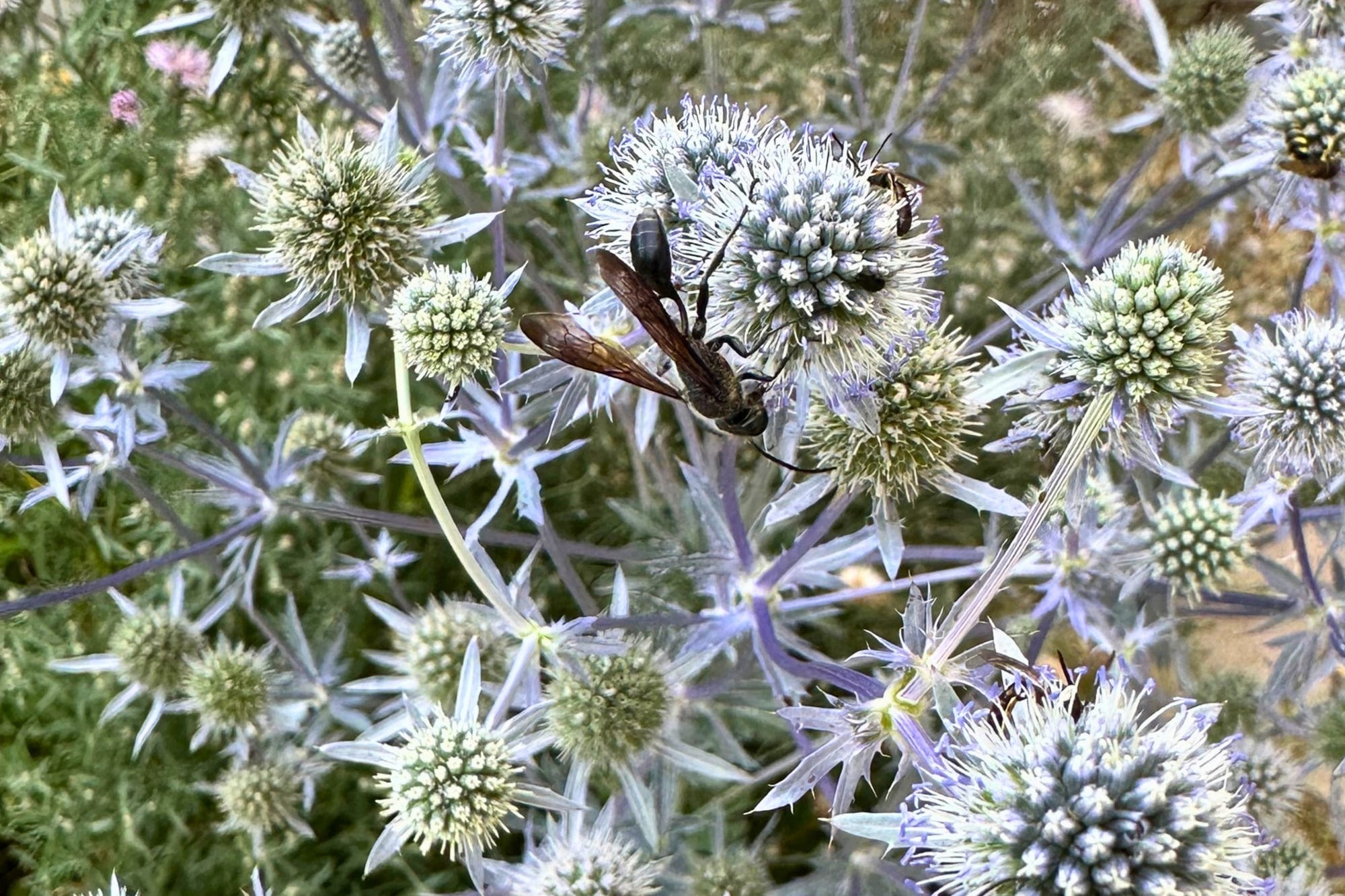
Each has its own character
What fascinates me again and again: even the supposedly ordinary plants have a character all their own. Twelve of them accompany me through Vol. 2, and each won me over for its own reason.
Ribwort plantain. Slender, upright leaves and fine flower spikes, crowned by delicate white stamens. It grows along every path and is constantly overlooked, yet it's an old home remedy whose leaves we pressed onto mosquito bites as children. For me, the very embodiment of the faithful, unassuming companion of the wayside.
Meadow cranesbill. A clear blue-violet with fine veining that almost seems to glow in the tall summer grass. It owes its name to the beak-shaped seed pods. A flower that proves wild doesn't have to mean plain.
Spear thistle. It's the most personal of my wild ones. Defensive and beautiful at once: spiny leaves, and above them a soft, purple crown. Someone once praised me for not being afraid to simply let it stand in my garden. And in autumn the goldfinches came and picked at its seeds, birds I would probably never have seen without that one tolerated thistle. Ever since, it has been my finest example of what happens when you simply let the wild be.
Wild carrot. Fine white umbels, often with a single dark floret in the center. After flowering, the umbel curls up into a little bird's nest, one of my very favorite details. It's the wild ancestor of our garden carrot.
Red clover. Round, purple-pink flower heads above the typical three-leaf. It smells of summer meadows and is a magnet for bumblebees. Modest, nourishing, everywhere, and yet rarely truly looked at.
Bladder campion. Delicate white blooms above an inflated, balloon-like calyx that children love to pop. It opens mainly at dusk and gives off a soft scent then. Fragile and playful at the same time.
Everlasting pea. Climbing tendrils with pink butterfly blooms that hold on with fine, curling threads. A wild relative of the fragrant sweet pea. I love how elegantly it weaves through the undergrowth.
Hedge bindweed. Large, pure-white trumpets that open overnight and almost gleam in the sunlight. Tirelessly it winds its way up fences and hedges. To many a weed, to me, one of the most elegant shapes there is.
Common poppy. A silky, fleeting red whose petals crumple like paper and fall after just a day. It's precisely this transience that makes it so precious. My favorite glow at the field's edge.
St John's wort. Sun-yellow stars with many fine stamens; hold the leaves up to the light and tiny dots shimmer through like little holes. It has long been known as the sun herb that lifts the spirits. For me, it captures high summer.
Small scabious. A soft lilac-blue on thin, swaying stems, a little cushion of many single florets. A true butterfly magnet. It looks fragile and is yet surprisingly tough.
Mountain sainfoin. Pink-striped flower spikes above fine foliage, an old fodder plant of the mountain meadows. Modest, and yet striking, when whole slopes stand in pink. A quiet close to my twelve wild ones.
Each tells its own story, and that's exactly what I try to capture.
From photo to template
For me, every motif begins with a photo of my own. I photograph the plant where it grows, in its own light. From that, first comes a pencil sketch in which I order the shapes and bring out what's essential. And only then does it become a waterproof template, printed on cotton paper, so that every template also comes with a real reference image.
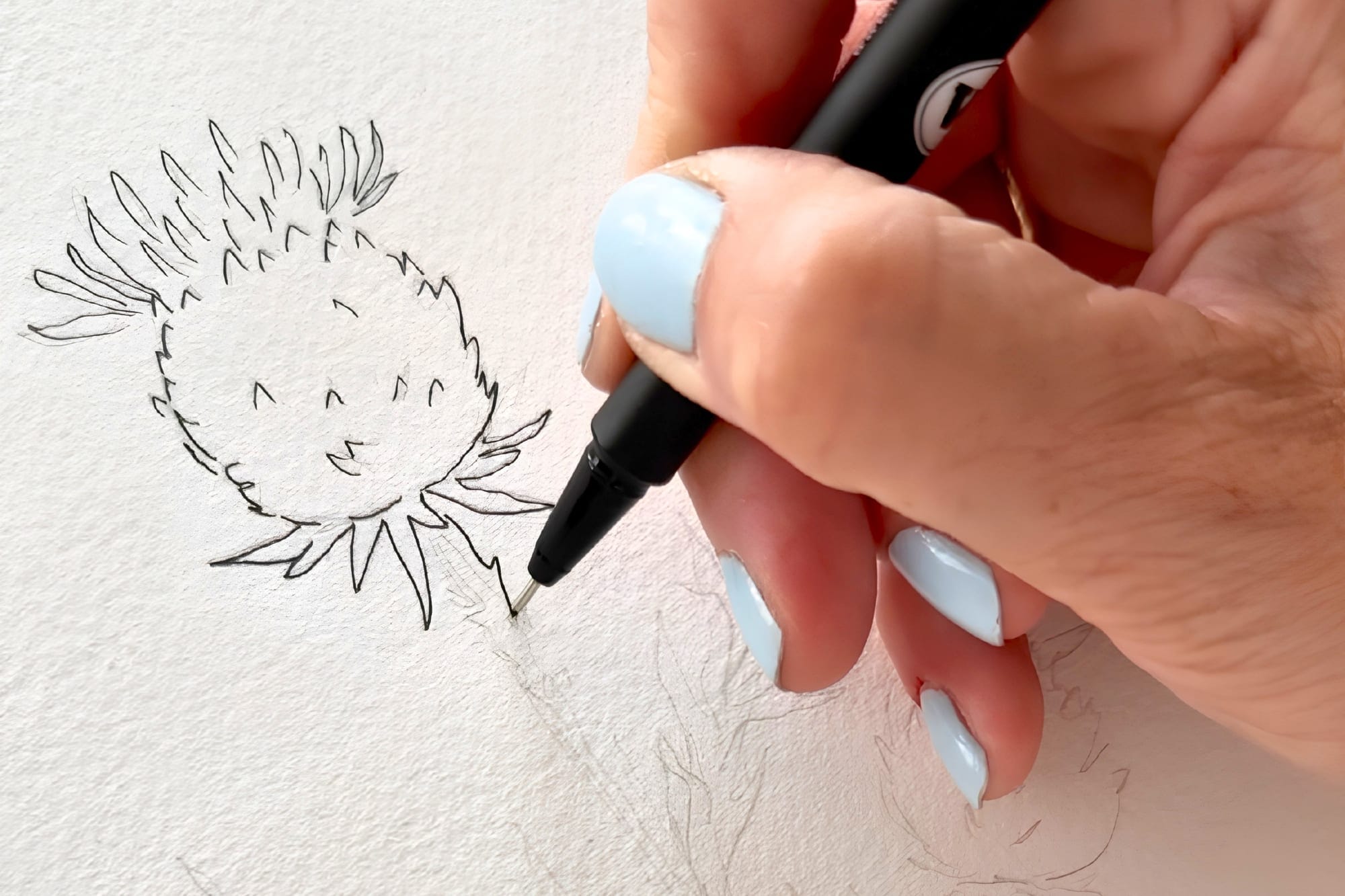
And this matters a great deal to me: every one of my templates is drawn by hand, not a single one is generated on a computer or by an AI. Behind every line there's a real plant, my own photo, and my hand that drew it. You may not see it in a template right away, but I believe you feel it while painting.
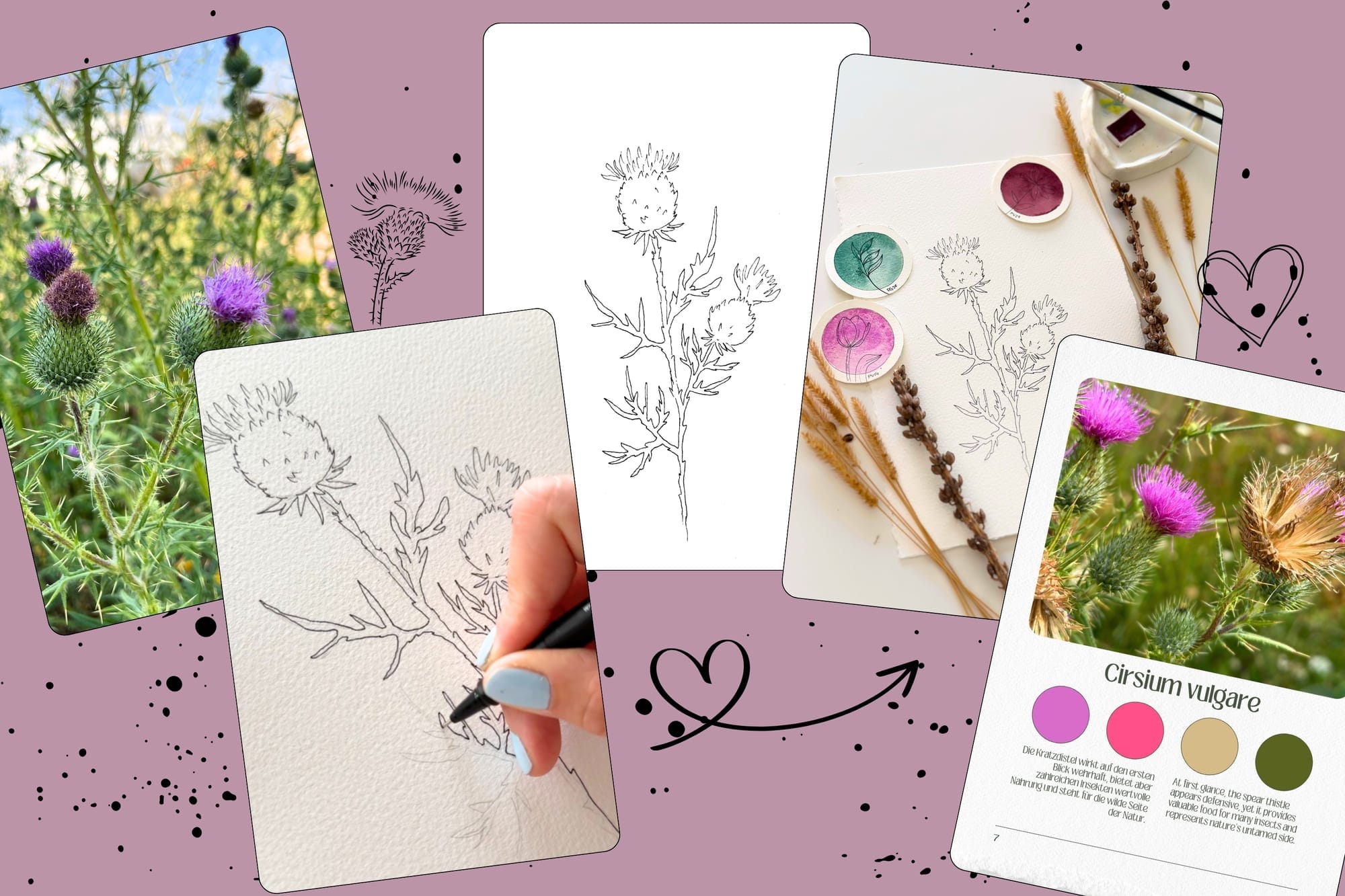
This path from photo to sketch to finished outline matters to me. Because a good template doesn't take the painting away from anyone, it only gives the confidence to simply begin.
Paint along with the friendly wild ones
From August on, a new motif appears every two weeks. The ribwort plantain makes the start. Anyone who'd like to paint along will find the matching color palettes, outlines and guided painting sessions in the Atelier for Creatives; and how a whole motif arrives at your door as a little package, I've described here.
But most of all, I hope the friendly wild ones will lead others, too, to pause for a moment on their next walk, and to see the small, uninvited flower at the roadside with new eyes.