The Best Watercolor Brushes – Why More Expensive Doesn't Automatically Paint Better
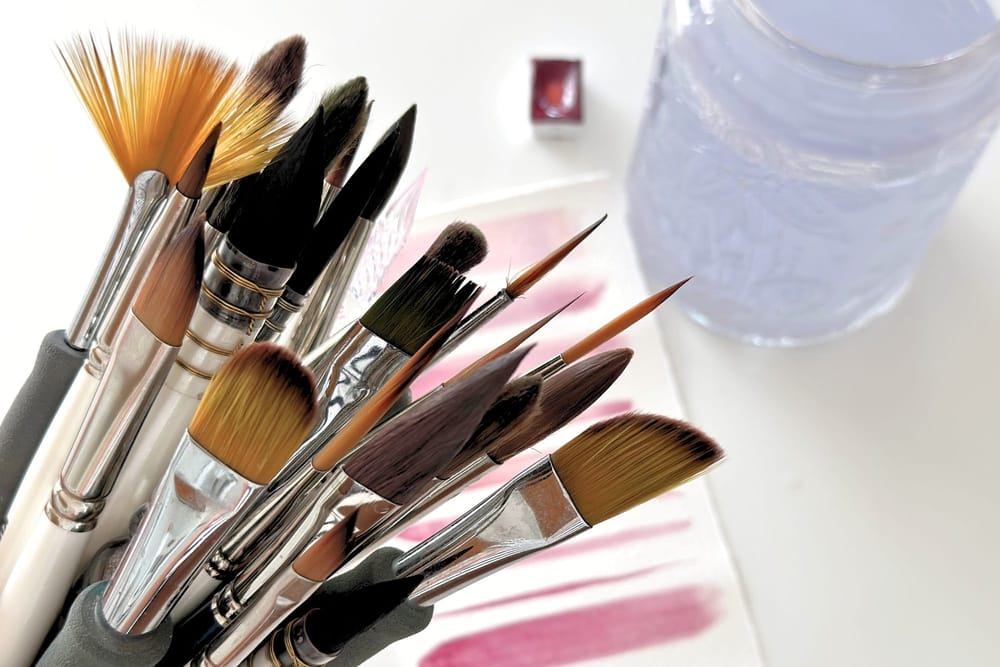
Anyone who takes up watercolor sooner or later runs into the same piece of advice: a good red sable brush is supposed to be the single most important tool of all. When I started painting more than twenty years ago, that counted as an unshakable truth. Red sable brushes were the holy grail of watercolor. For me as a student, though, they were simply unaffordable.
So I reached for a cheaper alternative made of squirrel hair, and for many years I was convinced I had already bought the best there was. Those brushes stayed with me for a long time. Only when the ferrule eventually came loose and the brushes fell apart did they finally need replacing. Remarkably, the hair itself was still in good condition by then.
Today I paint exclusively with synthetic brushes. Not because animal-hair brushes are bad. But because modern synthetic fibers have now reached a quality that completely convinces me. And since I deliberately choose watercolors without ox gall, it feels only consistent to avoid animal materials in my brushes as well.
Water capacity beats animal hair
In recent years, an incredible amount has happened with synthetic brushes. Good brushes no longer need animal hair. The best models imitate the water capacity, elasticity and snap of natural hair astonishingly well. For my botanical motifs, I therefore no longer see any reason to reach for animal-hair brushes.
Far more decisive than whether a brush is made of natural hair or synthetic fiber is, for me, its water-holding capacity. Watercolor lives on water. A brush that can hold plenty of water and paint allows longer, more even strokes and keeps the flow of painting from being interrupted again and again.
The softer the hair, the more water it can usually hold. The size of the brush matters, too. A larger round brush, or longer bristles, hold considerably more water and paint than a small detail brush. That doesn't mean large brushes are only good for large areas. On the contrary: a large round brush with a fine tip can be guided surprisingly precisely and needs reloading far less often.
Beginners in particular often reach automatically for very small brushes, believing they can work more accurately with them. In my experience, though, this often makes painting unnecessarily hard. The small amount of water in the brush means the paint dries down faster. Visible brush marks appear, soft transitions are harder to achieve, and a petal quickly looks blotchy instead of even. A slightly larger brush with a good tip often makes painting far more relaxed.
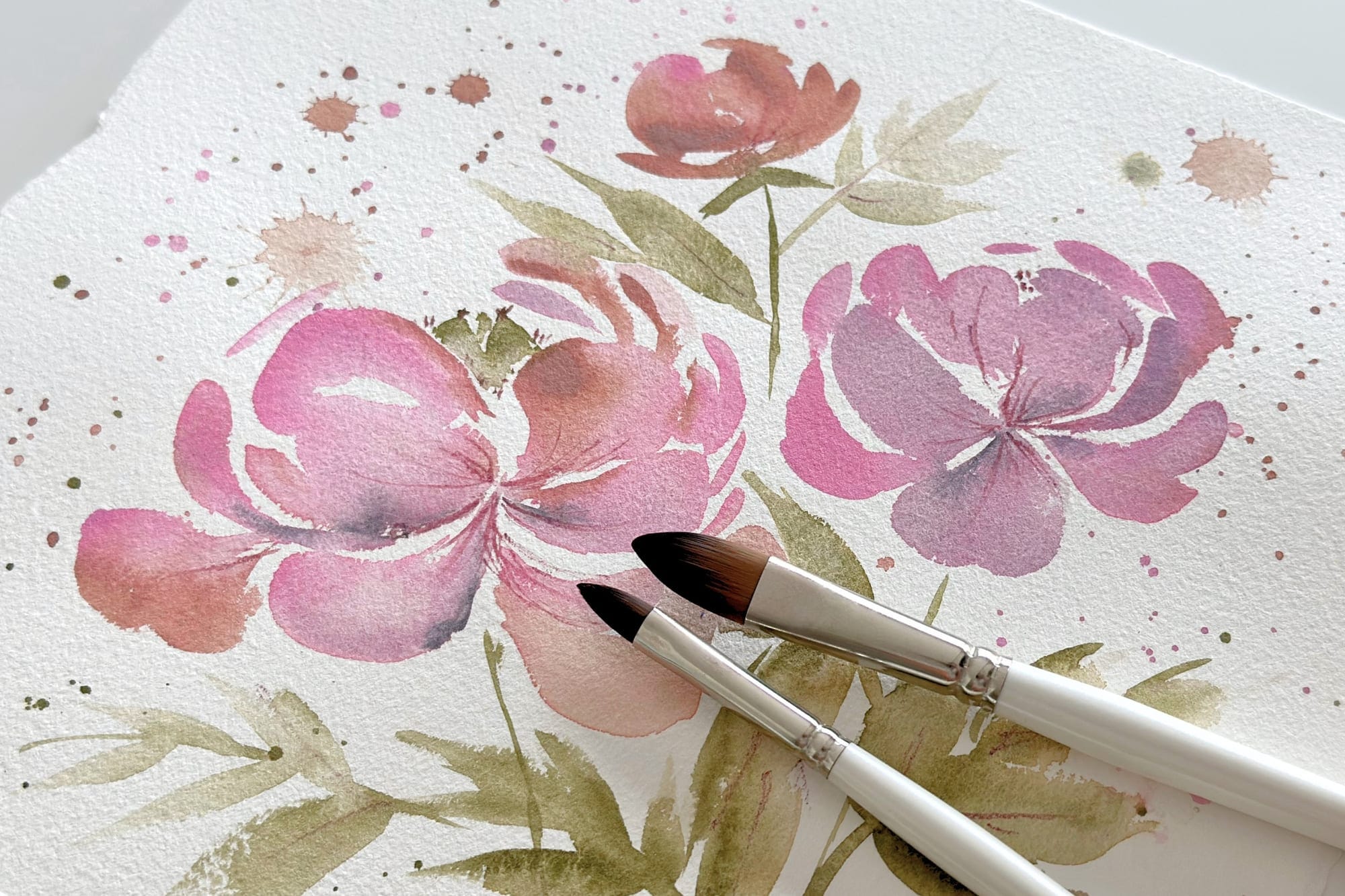
Shape matters more than material
When someone asks me today which brushes I'd recommend for getting started, my answer surprises many. Price is fairly far down my list. Shape and size matter much more.
A good round brush with a defined tip is almost indispensable for botanical motifs. It can lay down large areas and, with its fine tip, draw delicate lines at the same time. I often paint almost an entire picture with it and afterward catch myself surprised that I never switched brushes in between. But constantly switching would pull me out of the flow of painting anyway.
For loose backgrounds, I generally like to use large, soft round brushes. Thanks to their high water capacity, gradients can be laid down calmly and evenly, without having to reload constantly.
Cat's tongue brushes (also called filberts) are among my favorites too. Their slightly oval shape is wonderful for laying down a petal with a single stroke. Many flower shapes almost create themselves this way.
For fine stems, leaf veins or grasses, on the other hand, I prefer to reach for a rigger or liner with slightly firmer hair. They hold less water, but keep their precise tip even over longer lines.
A good brush doesn't paint by itself
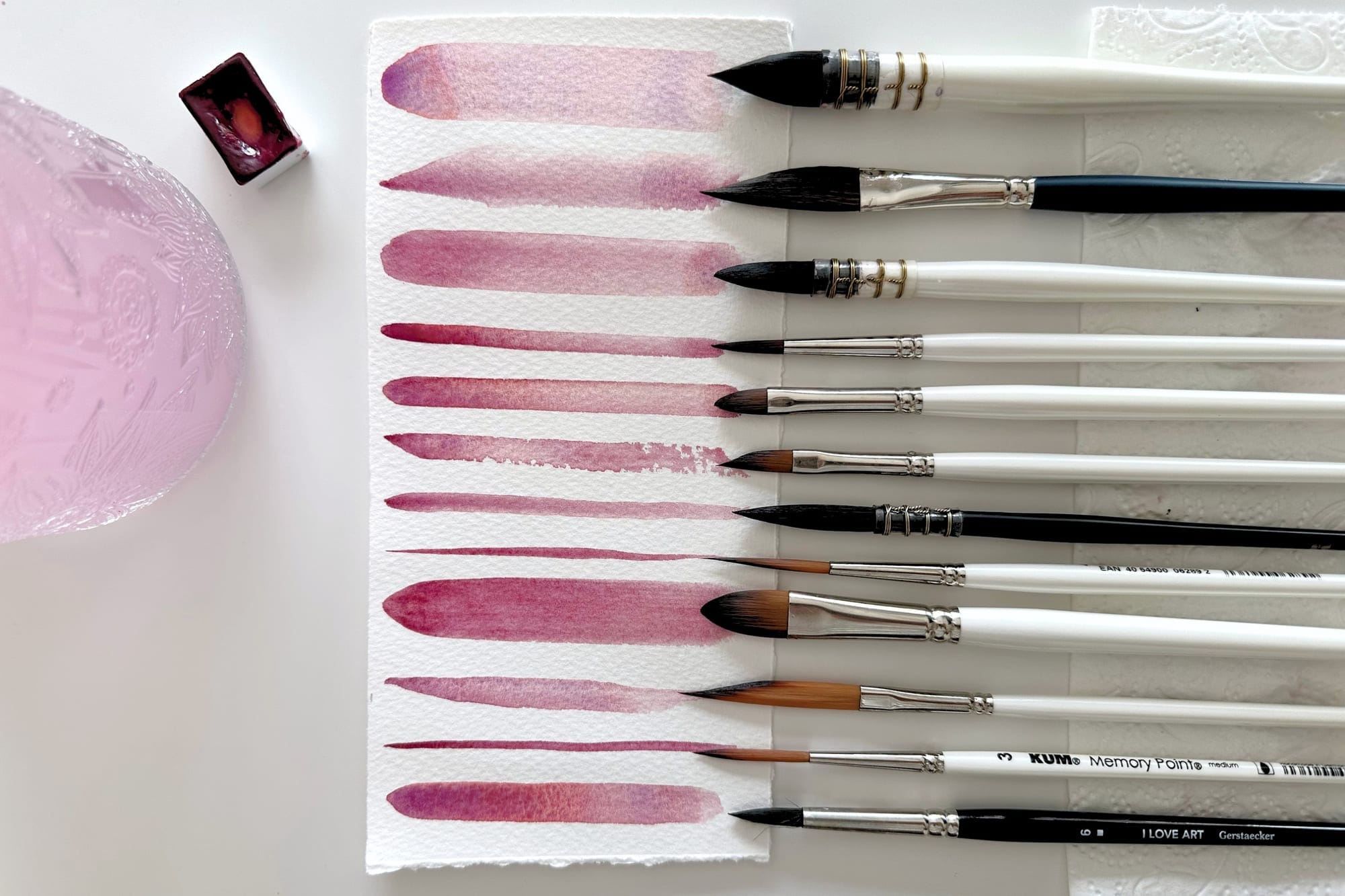
So often it isn't the maker that makes the difference, but the right brush for the task at hand. Many beginners believe an expensive brush will automatically improve their paintings. That has never been my experience. Sadly.
A high-quality brush can make painting more pleasant. But it replaces neither practice nor an understanding of water and paint. If I had to decide where to spend my budget, I would invest first in good paper. Then in carefully chosen paints. And only after that in technically sound brushes. You can already paint beautiful watercolors with a solid beginner's brush.
Synthetic brushes from a German maker – for my way of painting, exactly the right mix of water capacity, elasticity and a fine tip. But by no means a must: almost every maker now offers good synthetic ranges. What matters is simply that the brush feels good to you and suits the way you paint.
A brush lasts only as long as you treat it well
I used to think the perfect brush would make my paintings better. Today I know that a good brush should above all do one thing: it should hold water reliably, keep a fine tip, and feel natural in the hand. Whether it's made of natural hair or synthetic fiber, or was especially expensive, has long since become a side issue for me.
In the end, the brush shouldn't take center stage. It should help you focus entirely on what you actually want to paint – the beauty of a flower.
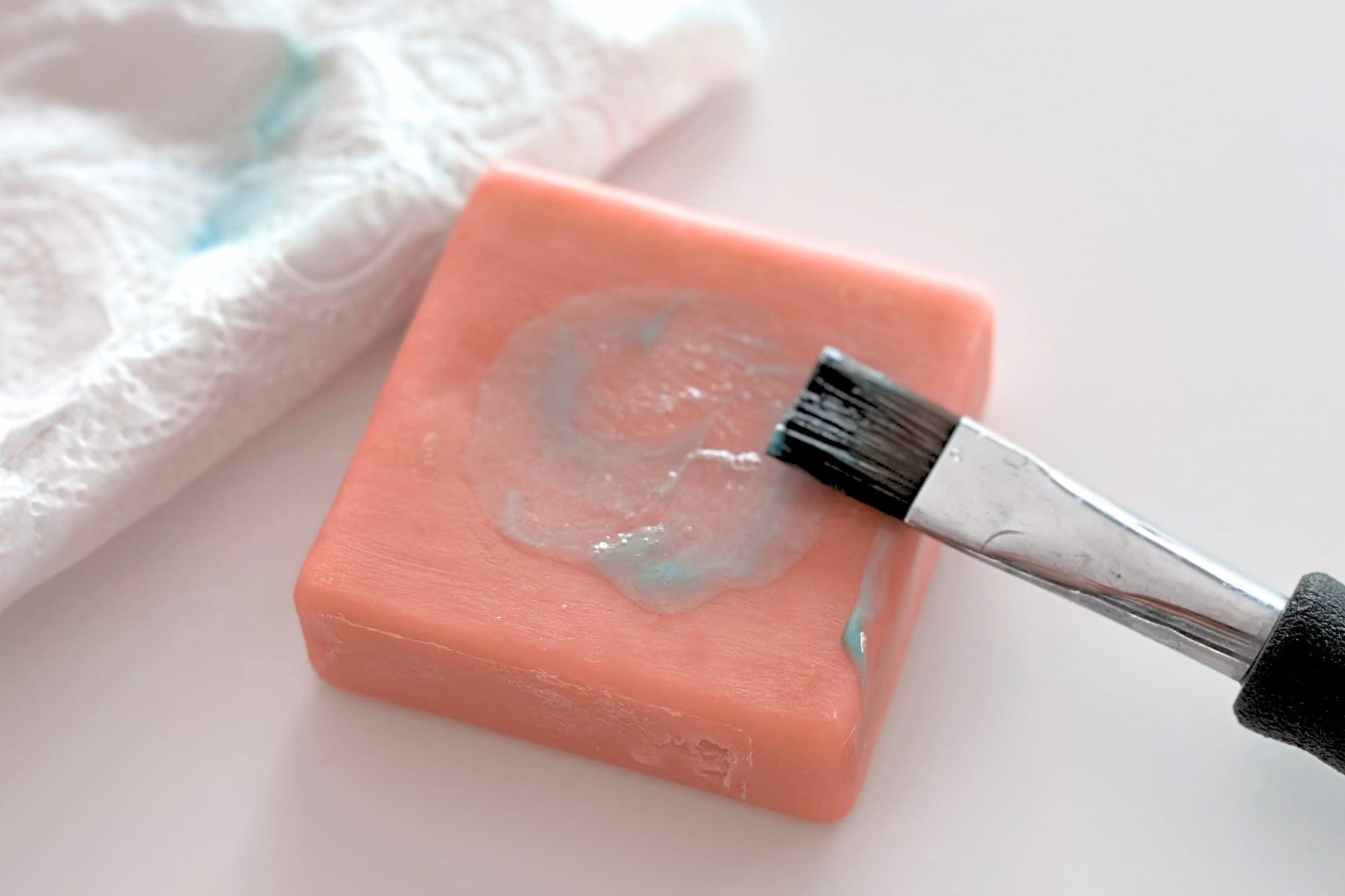
Whether beginner's brush or premium model – both can be ruined in a short time. Leaving your brushes standing in the water jar permanently damages the fine hairs and also stresses the glued joint inside the ferrule. Vigorous scrubbing on the paper or dried-on paint shortens their life considerably, too.
Yet caring for them is actually quite simple. After every painting session, I wash my brushes with brush soap. This also removes pigments that have settled deep between the hairs. Then I gently reshape the tip and let the brushes dry lying flat – not with the hairs pointing up. If water stays inside the ferrule, the glue can loosen over time and the brush will eventually fall apart – just like my very first brushes many years ago. With a little care, even simple beginner's brushes can last for many years.